
- Pro
Industrial AI delivers real value beyond office automation hype
When you purchase through links on our site, we may earn an affiliate commission. Here’s how it works.
 (Image credit: Shutterstock / NicoElNino)
Share
Share by:
(Image credit: Shutterstock / NicoElNino)
Share
Share by:
- Copy link
- X
- Threads
Big Tech's AI infrastructure spending now rivals national GDPs, and concerns about a trillion-dollar bubble are mounting. Yet amid the noise, there's a more interesting signal: while most organizations struggle to extract value from AI projects, a small but growing group is seeing genuine returns. The difference?
Christian PedersenSocial Links NavigationChief Product Officer at IFS.
The 70% of workers AI forgot
Much of the public conversation about AI is around the 30% of the workforce that sits behind a desk. That’s where most of the visible innovation has happened: content, copilots, and productivity.
You may like-
 Why AI pilots fail - and how manufacturers can break the cycle
-
 From buzzword to bottom line: 4 ways AI delivers ROI
-
 The AI bubble – it will burst, but AI will still be here
But around 70% of the global workforce doesn’t sit in an office at all. These are the engineers, technicians and field workers who maintain, operate, and deliver the physical systems that our economies depend on.
For them, AI is a practical tool for helping work get done faster, safer and more efficiently. Industrial AI is being applied to the everyday reality of these roles. It connects machines, sensors, and systems. It analyses anomalies, predicts failures, and automates scheduling.
The new industrial workforce
This convergence has created the need to 10X the workforce: human experts elevated to orchestration and judgment roles, AI agents running diagnostics and workflows around the clock, and robotic workers handling hazardous tasks and precision work.
Together, they unlock productivity that was previously constrained by human availability alone. It is, in short, the intelligence behind the work most people will never see.
Are you a pro? Subscribe to our newsletterContact me with news and offers from other Future brandsReceive email from us on behalf of our trusted partners or sponsorsBy submitting your information you agree to the Terms & Conditions and Privacy Policy and are aged 16 or over.That shift is changing the nature of how work itself is organized. The businesses that succeed with AI won’t be the ones that adopt the most technology, but those that bring together the triptych of people, process and purpose to create measurable results.
Bridging the AI execution gap
The biggest challenge for most enterprises is how to make AI scale. Research across global industries shows a widening “execution gap” between the speed of adoption and the readiness of organizations to use AI effectively.
Leaders are realizing that AI success has less to do with model performance and more to do with change management. Technology is the easy part. The hard part is change: rethinking roles, retraining people, and rebuilding trust in decisions powered by data.
You may like-
Why AI pilots fail - and how manufacturers can break the cycle
-
From buzzword to bottom line: 4 ways AI delivers ROI
-
The AI bubble – it will burst, but AI will still be here
Trust, in fact, may be the most underappreciated factor in the next phase of AI maturity. Many executives remain hesitant to allow AI systems to make independent decisions. That’s an instinct, especially when the consequences of failure are operational and financial.
A more pragmatic view is to treat AI much like a new employee. No leader hires a graduate and gives them full authority on day one. They’re trained, supervised and gradually empowered as their understanding grows.
The same should apply to AI systems; they should be trusted through experience, not assumption. Over time, as confidence builds, approval processes will give way to autonomy. This evolution will define the next era of enterprise AI - the Agentic Age.
Hyper to hard value
If the current AI boom is defined by investment, the next will happen by integration. The most forward-looking companies are now embedding AI into workflows rather than bolting it onto existing legacy systems.
This is changing business models. One of the most profound shifts underway is servitization - the move from selling products to delivering outcomes. Instead of charging for a machine, organizations charge for its performance: uptime, efficiency, or availability.
That model makes AI indispensable because it provides the intelligence to predict issues before they happen and allocate the necessary resources to maintain the equipment’s service.
Industrial AI is also emerging as a key enabler of sustainability. As ESG reporting becomes mandatory across jurisdictions, AI is helping organizations monitor emissions, optimize resource use, and make data-driven decisions that reduce waste and costs.
What once felt like a regulatory burden is now a catalyst for transformation; the rising tide lifts all ships.
The quiet future of AI
There’s a growing sense that the AI sector is heading for a shakeout. Some companies will overextend, others will consolidate, and a few will thrive. But a correction in speculative investment is, ultimately, a sign of progress.
The reality is that Industrial AI is already being applied, and not because of hype or hope. It’s because it solves real problems for real people. It’s helping industries operate more efficiently, more sustainably, and more intelligently and will become a quiet, common norm.
While investors debate whether AI is a bubble, the industrial world is proving its value. This is not an Intelligent Age for its own sake - it’s an age of intelligent industry. And its impact will last long after the hype and bubbles have dissipated.
We've featured the best automation software.
This article was produced as part of TechRadarPro's Expert Insights channel where we feature the best and brightest minds in the technology industry today. The views expressed here are those of the author and are not necessarily those of TechRadarPro or Future plc. If you are interested in contributing find out more here: https://www.techradar.com/news/submit-your-story-to-techradar-pro
TOPICS AI Christian PedersenSocial Links NavigationChristian Pedersen, Chief Product Officer at IFS.
Show More CommentsYou must confirm your public display name before commenting
Please logout and then login again, you will then be prompted to enter your display name.
Logout Read more Why AI pilots fail - and how manufacturers can break the cycle
 From buzzword to bottom line: 4 ways AI delivers ROI
 The AI bubble – it will burst, but AI will still be here
 Agentic AI: four ways it's delivering on business expectations
 What technology leaders need to ensure AI delivers
 Harmonizing AI innovation with cost, risk & ROI
Latest in Pro
Harmonizing AI innovation with cost, risk & ROI
Latest in Pro
 TechRadar Pro, Residential Systems, and TWICE announce CES Picks 2026 winners
 EU goes soft on Big Tech in digital rules overhaul
 This 'ZombieAgent' zero click vulnerability allows for silent account takeover - here's what we know
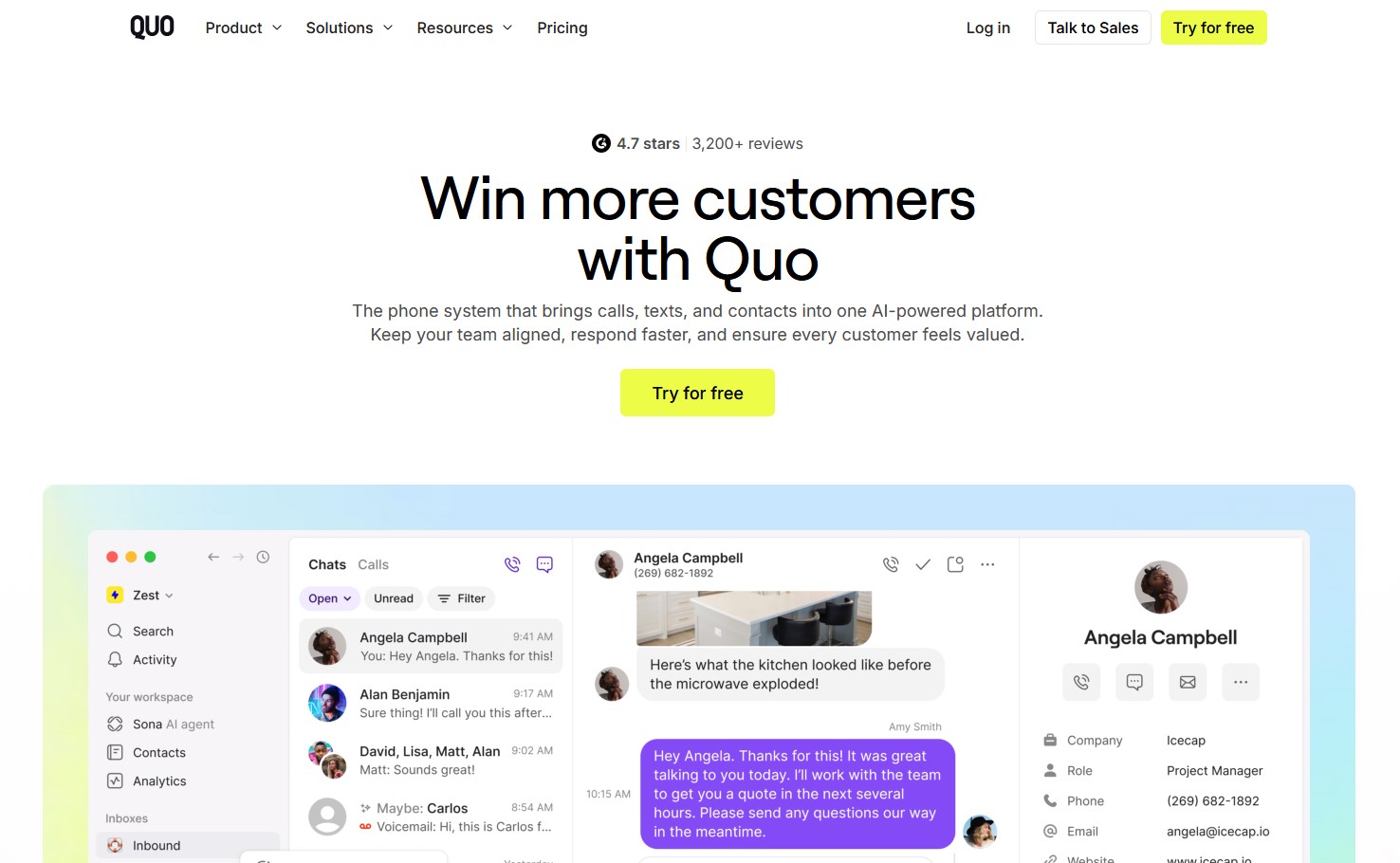 Modernize your business communication for less with Quo’s all-in-one phone system
 NordPass adds built-in TOTP authenticator for personal accounts
 Congressional staff emails hacked as part of Salt Typhoon campaign
Latest in Opinion
Industrial AI applied: where the real revolution is happening
Congressional staff emails hacked as part of Salt Typhoon campaign
Latest in Opinion
Industrial AI applied: where the real revolution is happening
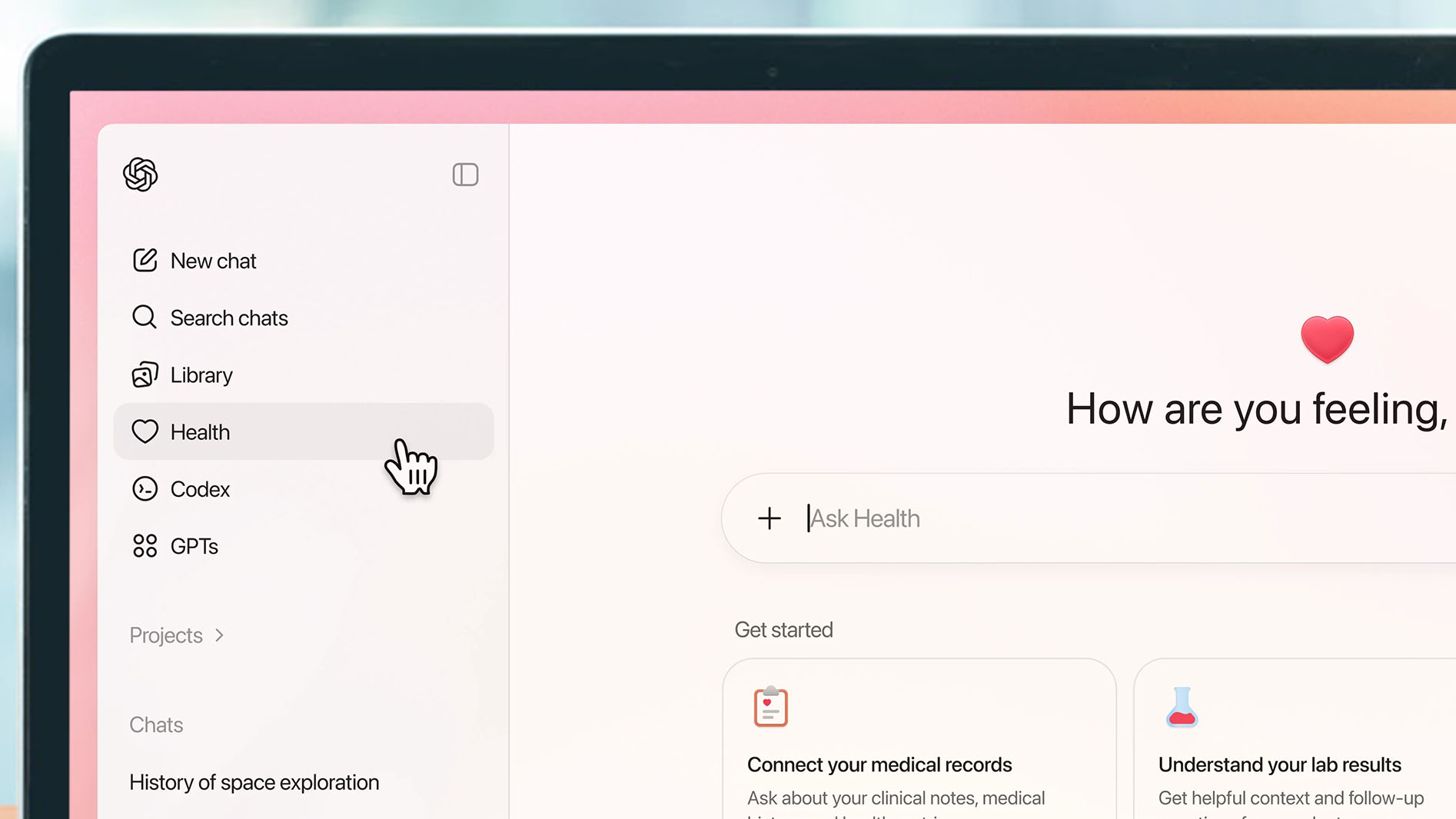 Why I won't use ChatGPT Health
 Forget fitness trackers — external brains are the hot new wearables at CES this year
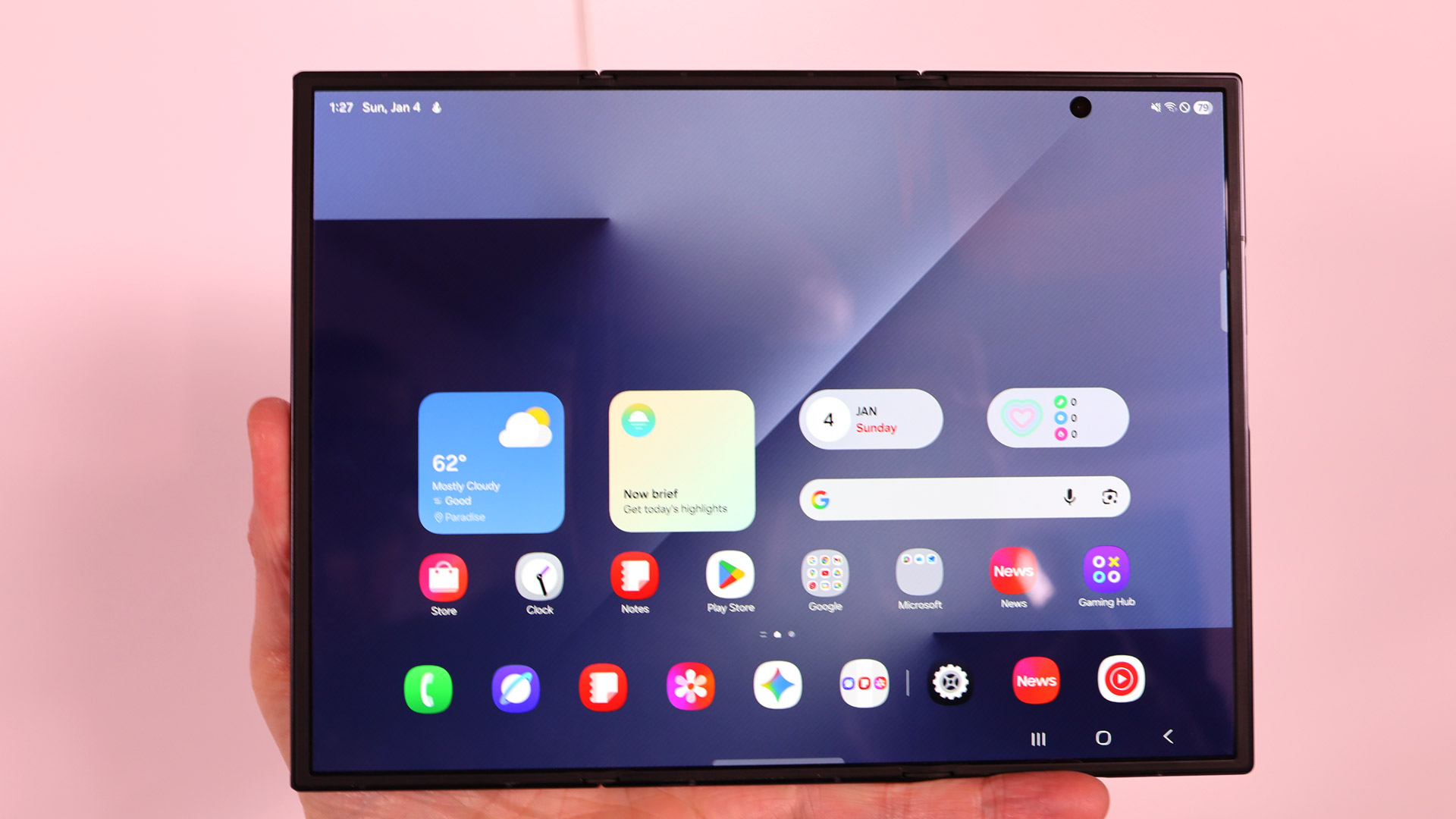 Samsung just won CES 2026 with its creaseless folding OLED – but I hope the iPhone Fold gets it first
AI factories are the foundation for enterprise-scale AI
Samsung just won CES 2026 with its creaseless folding OLED – but I hope the iPhone Fold gets it first
AI factories are the foundation for enterprise-scale AI
 Your data’s where, exactly? SMEs and data sovereignty
LATEST ARTICLES
Your data’s where, exactly? SMEs and data sovereignty
LATEST ARTICLES- 1NYT Strands hints and answers for Saturday, January 10 (game #678)
- 2Quordle hints and answers for Saturday, January 10 (game #1447)
- 3NYT Connections hints and answers for Saturday, January 10 (game #944)
- 47 new movies and TV shows to watch on Netflix, Prime Video, HBO Max and more this weekend (January 9)
- 5EU goes soft on Big Tech in digital rules overhaul